ServicesIrrigation
Irrigation Services in Daytona Beach
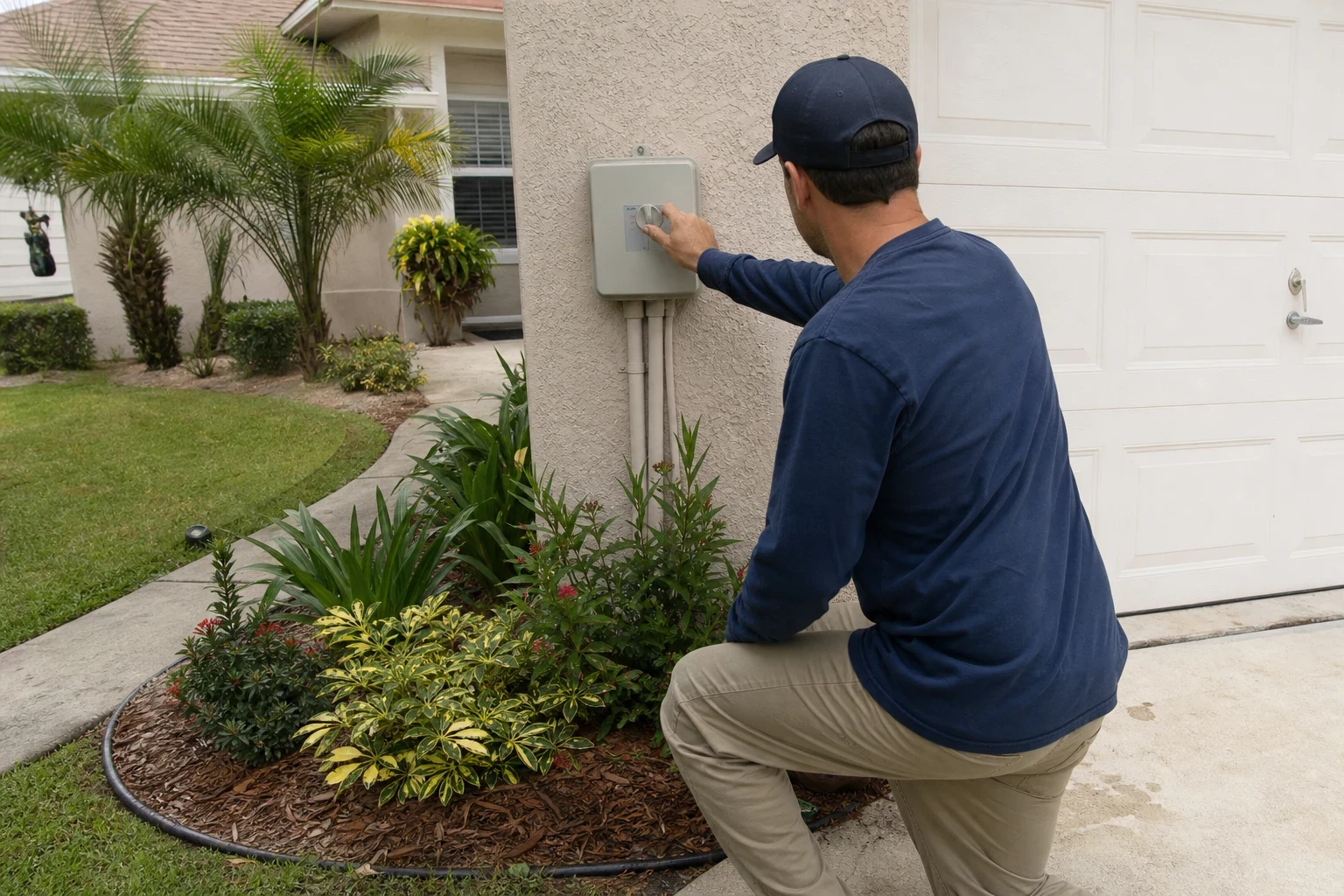
Your sprinklers should water grass and plants, not the driveway. We fix leaks and broken heads, retune zones, add drip line to beds and lay out new systems. We pay close attention to head height, nozzle matching and run times so the results last.
Water where your yard needs it
Most irrigation trouble comes down to small details. A head tilted a few degrees, a nozzle that doesn't match its neighbors, a zone that waters shady turf and sunny beds on the same schedule. None of it looks serious on its own, but together it means wasted water and a lawn that never looks quite right.
We handle repairs on existing systems, upgrades like drip lines and new controllers, and full installs for new landscapes. Sandy soil drains fast here, so how water is applied matters as much as how much. We set things up so it soaks in instead of running off the sidewalk.
If you're also planning new sod or fresh beds, it helps to sort out irrigation first. We can coordinate it with our sod installation or landscape design work so the water lines fit the final plan.
Irrigation work we take on
- 01
Broken and sunken heads
Heads that are cracked, stuck down or sitting below the grass get swapped out and set at the proper height. We match every new nozzle to the rest of its zone, so one area doesn't get double the water of the spot next to it.
- 02
Zone-by-zone coverage tuning
We turn on each zone and watch exactly where the spray falls. Then we re-aim heads so each one throws water all the way to the next, closing the dry strips that show up between them.
- 03
Valve, solenoid and wire faults
A zone that stays silent or keeps running has a cause. We test the valve, the solenoid and the wiring until we find it, then repair that part instead of guessing.
- 04
Drip lines for shrubs and flowers
Beds grow better with slow water delivered at the roots than with spray soaking the leaves. We lay drip line with emitters sized for each plant and give beds a zone separate from the lawn.
- 05
Controller setup and rain shutoff
We install and program your controller around your allowed watering days and what each zone actually needs. State rules call for a working rain sensor on automatic systems, so we check that yours is wired in and responding.
- 06
New systems from the ground up
For a new landscape, we group zones by sun, shade and plant type and size the pipe to your water supply. Lines go deep enough that edging blades and aerator tines won't catch them later.
Questions about Irrigation?
Call(407) 499-8402When your irrigation needs a closer look
Dry spots that keep coming back
If the same patches turn tan week after week, the system is usually missing them. A clogged nozzle, a head blocked by grass or a gap in the spray pattern is the likely cause.
Mushy turf or standing water
Ground that stays wet around one head often hides a split pipe or a loose fitting. It can also be a valve that weeps water between cycles.
Spray landing on pavement
Water that hits the driveway or the side of your home is water you pay for that never feeds a plant. Over time it can leave stains on walls and walkways too.
A zone stuck on or off
That usually points to a valve or a wiring fault. A zone that won't stop can drown a bed and push your water bill up fast.
A water bill that creeps up
An underground leak or a controller still on last season's times can add cost quietly, month after month, with nothing obvious to see in the yard.
How an irrigation visit goes
- 1
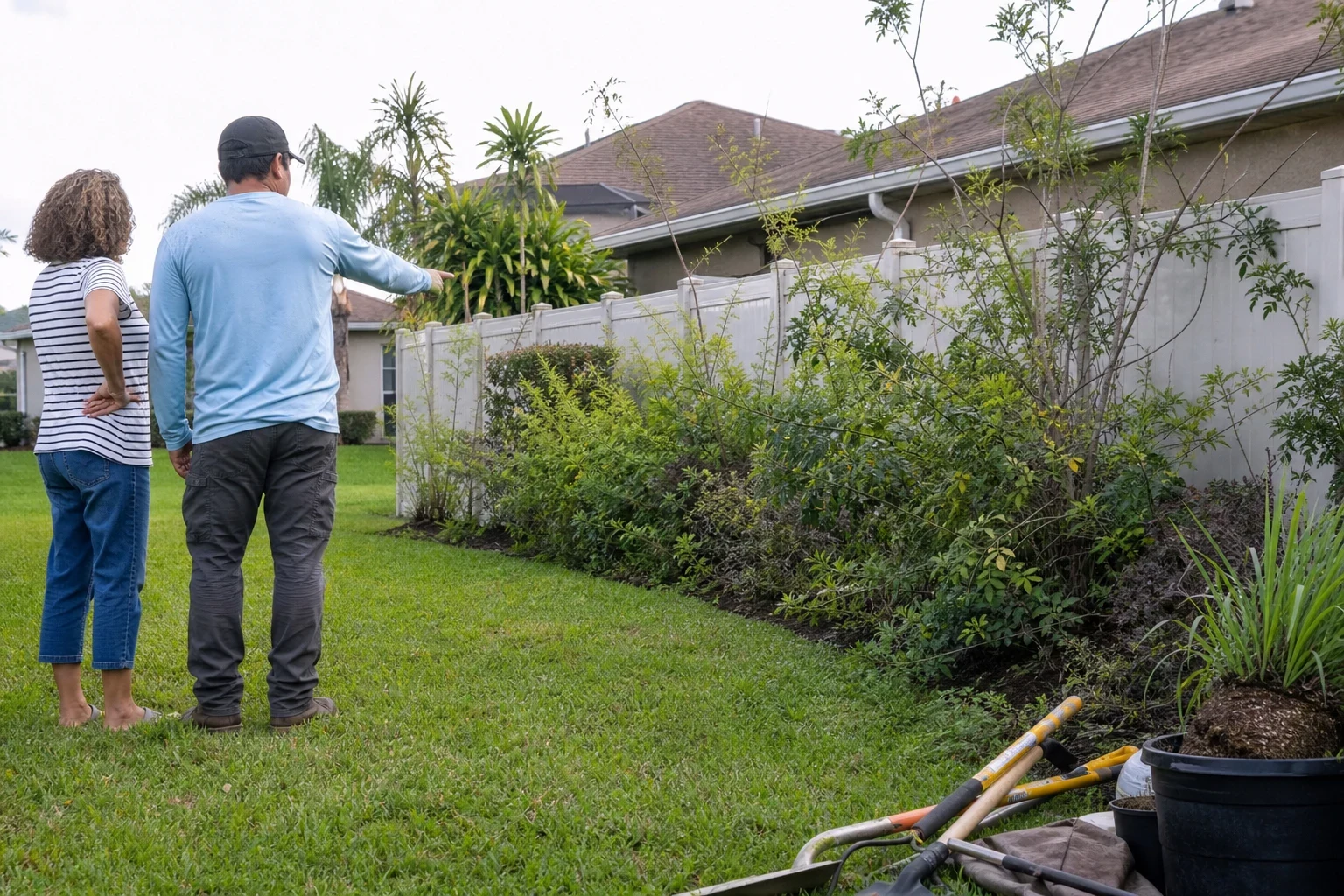
Free estimate and walkthrough
We come out, run each zone with you, and point out what we see. You'll know which issues need fixing now and which can wait.
- 2
A clear written estimate
You get the work broken down by item before anything starts, so there are no surprises on the final bill.
- 3
Careful repairs and installs
We cut turf neatly where we dig, set it aside, and lay it back when the work is done. Fittings are tightened, flushed and tested before we close anything up.
- 4
Final run-through and programming
We run every zone one more time, fine-tune spray patterns, and set the controller to your watering schedule. We show you how to pause it or make simple changes yourself.
What affects the cost of irrigation work
We set a price only after we've seen your system run, because two yards rarely need the same thing. Swapping one head takes a short visit, while splitting zones or putting in a new system takes more parts and labor. Each line on your estimate comes with a plain explanation so you can choose what to do now. If a larger install is easier to pay over time, we offer financing of up to $100,000, on a term you pick anywhere between two and twelve years, and settling the balance early never costs you extra.
- Repair or new system
- Replacing a few heads or one valve is a much smaller job than planning and installing new pipe, valves and a controller across the whole yard.
- Number and size of zones
- Each added zone brings its own valve, wire run and set of heads. Larger yards and yards with a mix of turf and beds tend to need more of them.
- Finding the problem
- A snapped head is easy to spot. A leak underground or a broken wire beneath a driveway takes more time to track down.
- Parts and upgrades
- Drip line, a newer controller and sturdier heads raise the parts total, but they often cut water use and repair calls down the road.
Questions about sprinklers and drip lines
What watering schedule is right for my yard?
That comes down to your grass type, your plants and the watering-day limits, which shift between seasons. As a rule, longer cycles on fewer days, run in the early morning, beat a short spray every day. We program the controller for your yard and explain when a change makes sense.
Can my current system be fixed, or does it need replacing?
Most of the systems we see can be repaired. We'll give you a straight answer once we've run every zone. Replacing usually makes sense only when the pipe is badly damaged, the layout never matched the yard, or you're redoing the landscape anyway.
Why should beds and lawn be on different zones?
Grass and shrubs drink at different rates. Sunny turf wants more water, while beds on drip line want a slow, steady supply at the roots. When they share a zone, one side always ends up overwatered or underwatered.
How much of my lawn will you dig up?
Only what the repair or new line requires. We slice the turf cleanly, set it to the side, then put it back and water it in when we finish. Narrow trenches typically fill back in within a few weeks.
Is a rain sensor really necessary?
Yes. Florida law calls for one on automatic sprinkler systems. It skips a cycle after enough rain falls, which saves water and keeps your yard from staying soaked through the wet months.
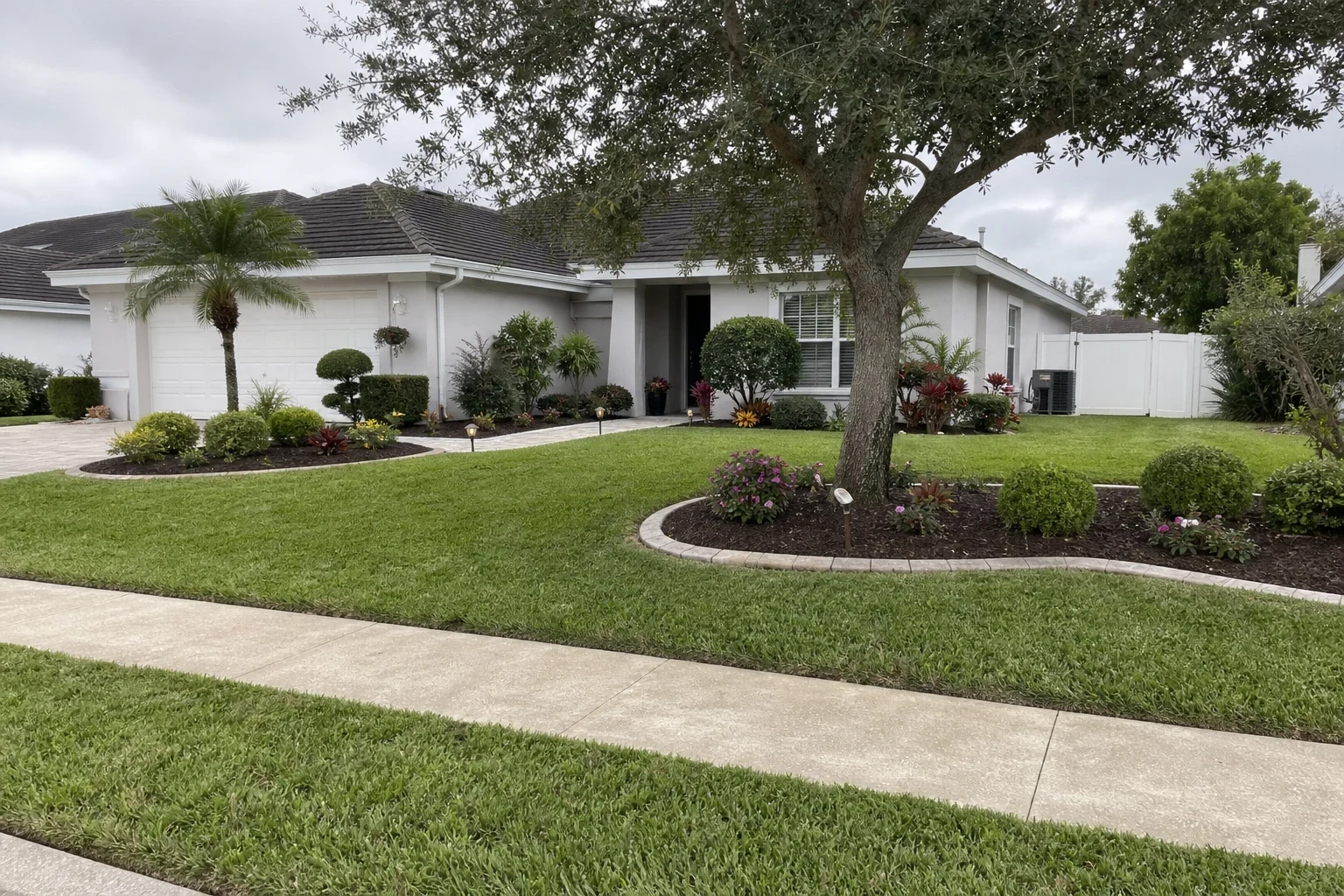
Let's get your water working right
We'll walk your yard, run every zone and tell you plainly what we find. You'll get a written estimate before any work begins.